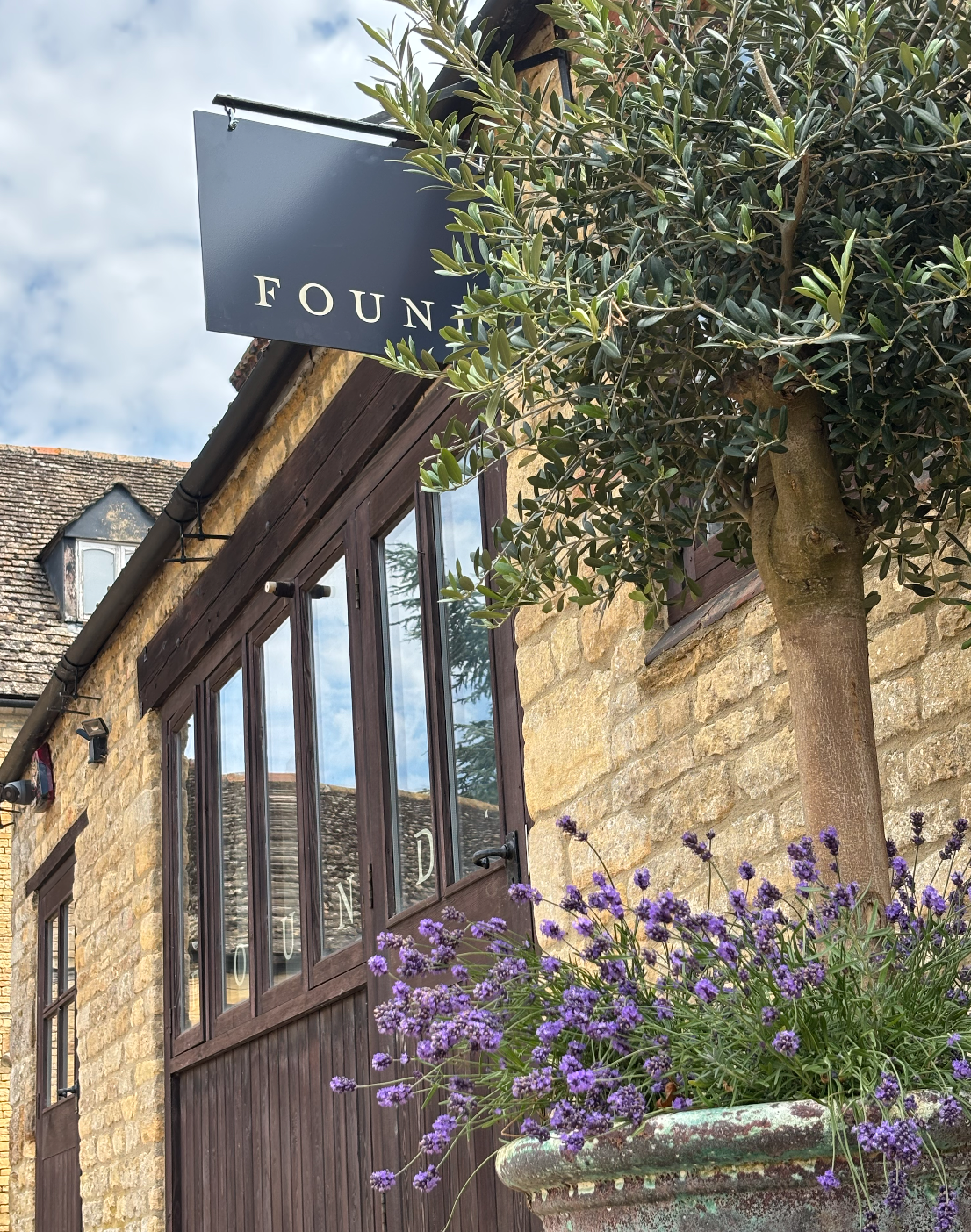
How a Former Seven-Figure Entrepreneur Built the World’s First Carbon Neutral Ceramics Studio
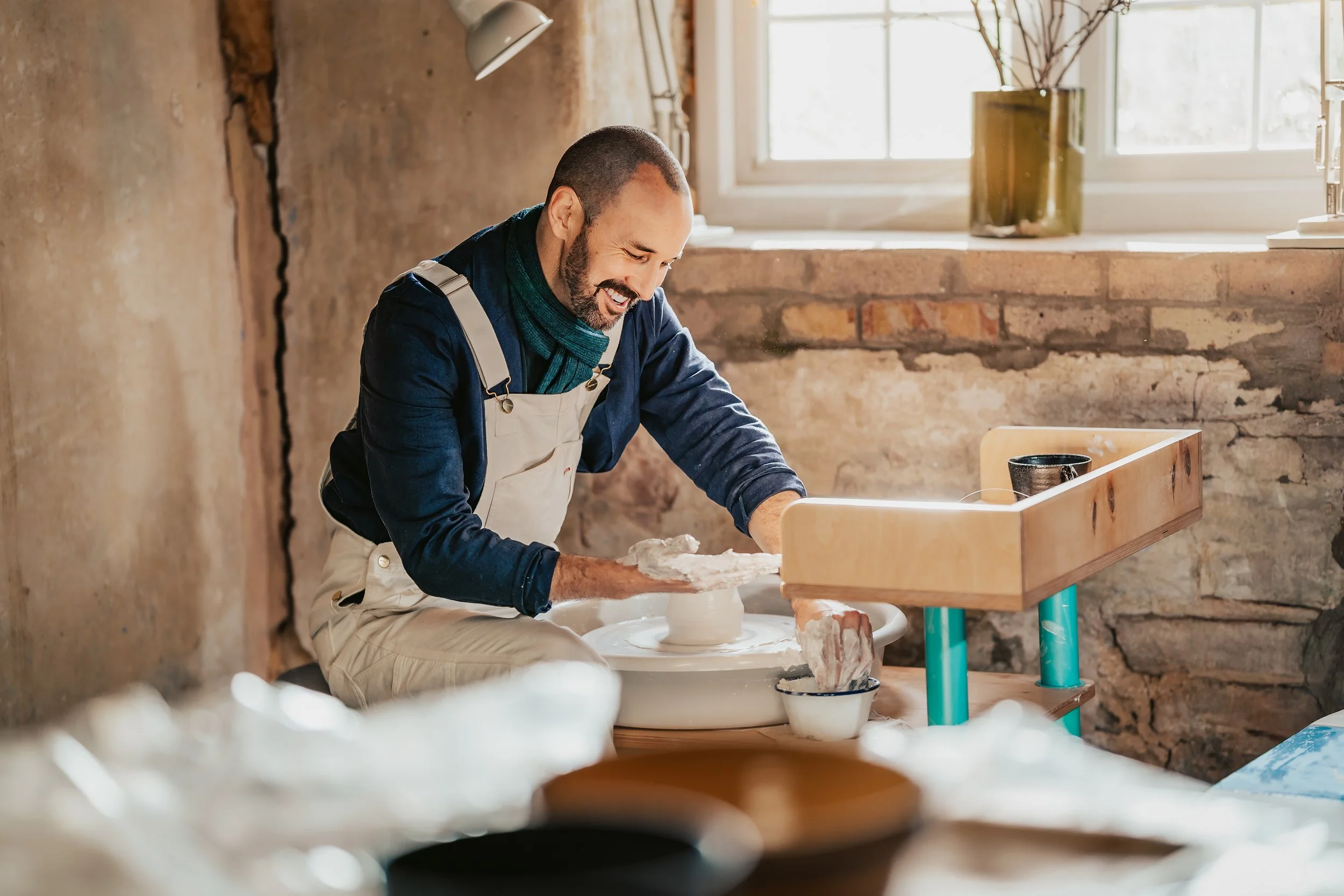
For years, success looked for Jez Rose exactly how you’d expect it to.
International speaking engagements, a number one best-selling book, corporate consulting, a seven-figure business – exactly the kind of career many spend decades trying to build.
But somewhere between the airports, audiences and achievements, Jez Rose began exploring a different question: What if success is not just measured by growth, but by impact?
Now, from a rural studio on the borders of Rutland and Northamptonshire, Rose is attempting something few would associate with modern entrepreneurship: building what has become the world’s first carbon neutral ceramics studio.
It’s a sharp pivot from the traditional image of scale-at-all-costs business culture. Ceramics is typically energy intensive, with kilns consuming huge amounts of electricity. Materials are shipped globally and waste is common. Profit margins can be tight, yet Rose sees the challenge itself as the opportunity.
“The future belongs to businesses that understand people are no longer only buying products,” he says. “They’re buying values, transparency and meaning. Sustainability isn’t a marketing angle anymore. It’s becoming the business model.”
His new venture, FOUND, combines pottery and sustainability into a studio designed around renewable energy, lower-impact production, reclaimed materials and a slower approach to consumption. But beneath the clay and craftsmanship sits a bigger business idea: that tiny businesses with strong values can still create substantial revenue without sacrificing the planet in the process.
It’s part of a wider shift happening across entrepreneurship.
For decades, the startup world celebrated scale above all else: raise capital, grow fast, hire aggressively, expand relentlessly. But a growing number of founders are quietly building leaner companies with smaller teams, healthier margins and more intentional lifestyles. Many are discovering that sustainability - environmental and personal - can actually become a commercial advantage.
Consumers increasingly reward businesses that align with their beliefs. According to research from multiple global studies, younger consumers in particular are more likely to support brands they perceive as ethical, transparent and environmentally responsible. That creates opportunity for founders willing to think differently.
Rose’s approach is intentionally minimalist. Rather than building a large operation with heavy overheads, he’s focusing on community, transparency, luxury, and direct audience connection. Years spent building an audience through speaking, writing and digital content taught him something many small businesses still overlook: attention is often more valuable than scale.
“The biggest businesses don’t always win anymore,” he says. “The clearest message wins. The most human business wins.”
That mindset is helping redefine what a successful small business can look like in 2026.
Technology has dramatically lowered the barriers to entrepreneurship. A founder with a laptop, a compelling story and a niche audience can now build meaningful revenue streams through digital products, memberships, workshops, subscriptions and social media audiences, often without needing offices, investors or large teams.
For Rose, sustainability also became a practical business consideration after years spent observing burnout culture among entrepreneurs and executives.
“So many businesses are profitable financially but destructive personally,” he says. “People are exhausted, disconnected and overwhelmed. I became increasingly interested in whether businesses could grow more slowly, more intentionally and still succeed.”
That philosophy now underpins both his RESET methodology he teaches organisations, and the operational model behind FOUND.
Rather than chasing constant expansion, the studio is being built around long-term resilience:
· Renewable energy suppliers where possible,
· Lower waste production including a circular water system,
· Reclaimed and repurposed materials,
· Fewer but higher-quality products,
· Local collaboration,
· and audience-led growth through storytelling rather than expensive advertising.
Ironically, many of these sustainable decisions also improve business efficiency.
Keeping operations lean reduces unnecessary overheads. Producing in smaller batches reduces waste. Building direct relationships with customers increases loyalty and repeat purchases. A strong narrative creates organic marketing opportunities that larger businesses often struggle to manufacture authentically.
That combination of sustainability, simplicity and strong storytelling is becoming increasingly powerful for modern microbusinesses.
The rise of platforms like Instagram, Substack and Shopify has allowed creators and founders to build deeply engaged communities around niche ideas. Customers no longer just buy products; they follow journeys. They invest emotionally in founders and missions.
Rose has leaned heavily into documenting the process publicly: stepping back from a more conventional business model, learning ceramics from scratch, building a studio and creating a slower, lower-impact life. That transparency has become part of the brand itself.
“People connect with honesty,” he says. “Especially now. Everyone’s tired of polished perfection and they want to see real people building real things.”
That authenticity is increasingly important in a crowded digital economy where attention is scarce and trust matters more than ever. For entrepreneurs looking to make their own businesses more sustainable, Rose believes the solution is often less dramatic than people assume.
“You don’t need to rebuild everything overnight,” he says. “Most businesses can make meaningful changes immediately.”
Among the changes he recommends:
Reduce unnecessary consumption
Many businesses over-order, over-package and over-produce. Tightening operations often lowers both environmental impact and costs simultaneously.
Prioritise longevity over volume
Creating fewer, better products can increase perceived value while reducing waste and operational complexity.
Build local partnerships
Sourcing locally where possible can reduce transport emissions while strengthening local economies and communities.
Use sustainability as a design principle, not a campaign
Consumers can usually tell the difference between genuine operational changes and surface-level marketing.
Document the journey honestly
Audiences increasingly reward transparency, including businesses still learning or improving.
Protect human sustainability, too
A business model that depends on founder burnout is rarely sustainable long term.
Importantly, Rose doesn’t position sustainability as moral perfection. Instead, he sees it as continuous progress.
“There’s no such thing as a perfectly sustainable business,” he says. “But there absolutely is such a thing as a more thoughtful one.”
That nuance may explain why the concept is resonating. At a time when many consumers feel overwhelmed by fast consumption, algorithm-driven lifestyles and constant digital noise, businesses built around craftsmanship, simplicity and intention are gaining traction. The appeal isn’t just environmental. It’s emotional.
And that may ultimately be the bigger shift underway.
The next generation of successful businesses may not necessarily be the loudest, fastest-growing or largest. They may instead be the ones that build trust, meaning and sustainability into the foundations from the very beginning.
For Rose, the ceramics studio is about far more than pottery.
“It’s really an experiment,” he says. “Can you build something commercially successful that also feels slower, healthier and kinder to people and to the planet?”
Increasingly, many entrepreneurs are beginning to believe the answer might be yes.
Disover handmade porcelain and stoneware ceramics, and exclusive studio workshop experiences at foundceramics.com, and on Instagram @holdwhatmatters.